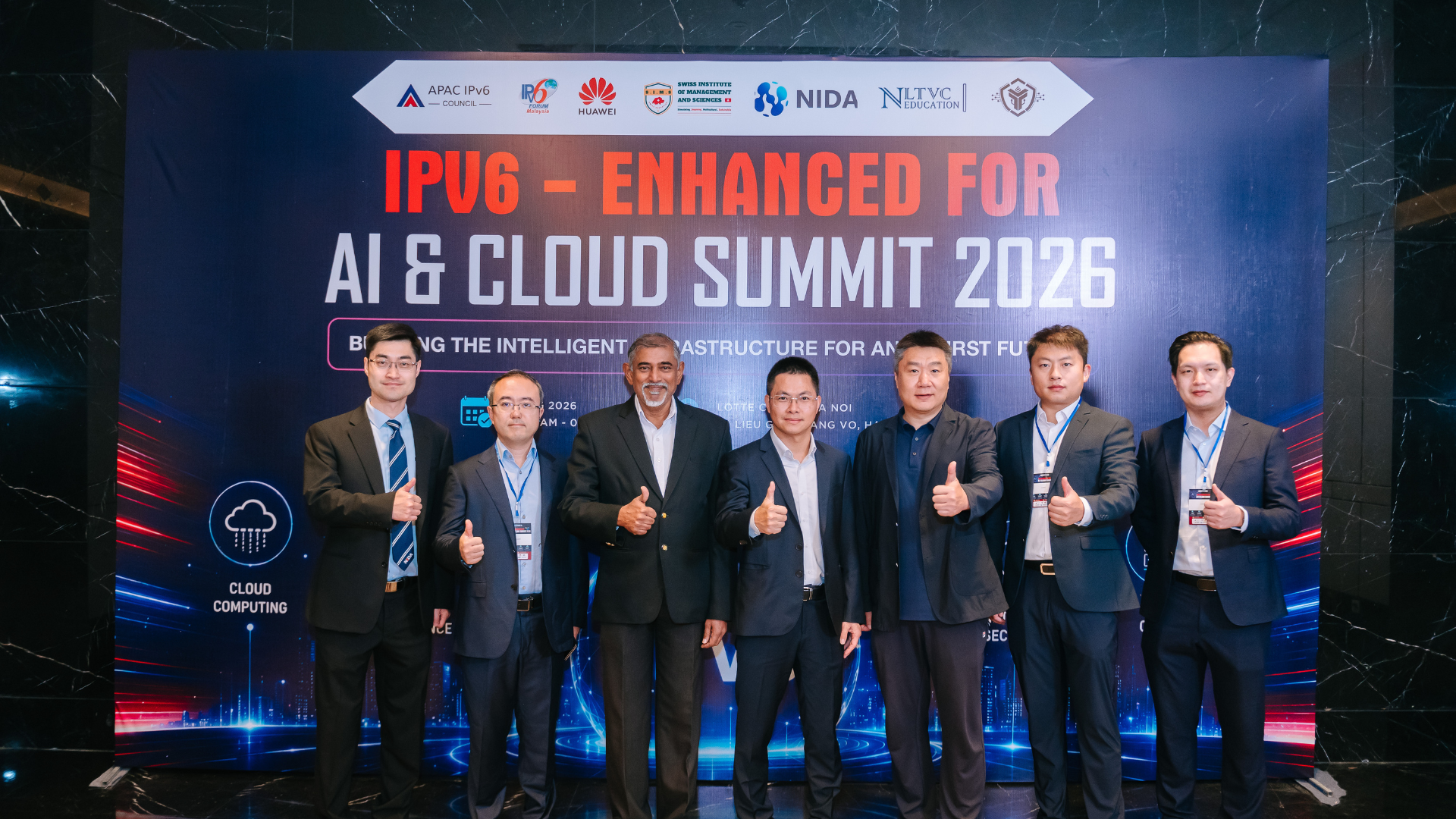
HANOI, Vietnam — The Swiss Institute of Management and Sciences (SIMS), in collaboration with the APAC IPv6 Council and TechVanguard Co., Ltd., co-hosted the "IPv6-Enhanced for Artificial Intelligence & Cloud Summit 2026" on August 27. The summit gathered regional policymakers, technology pioneers, and academic leaders to tackle a crucial challenge: modernising network infrastructure to match the explosive growth of artificial intelligence and cloud computing.
As AI models shift from research environments to full-scale deployment across data centres, cloud networks, and IoT frameworks, traditional infrastructure faces unprecedented demands. Opening the summit, Dr Bui Phuong Viet Anh—President of the Institute of Strategic and International Human Resource Management and CEO of EAS Vietnam Co., Ltd.—emphasised that IPv6 is no longer just an address-expansion tool. Instead, it forms the core operational foundation required to power high-density, data-intensive digital ecosystems.
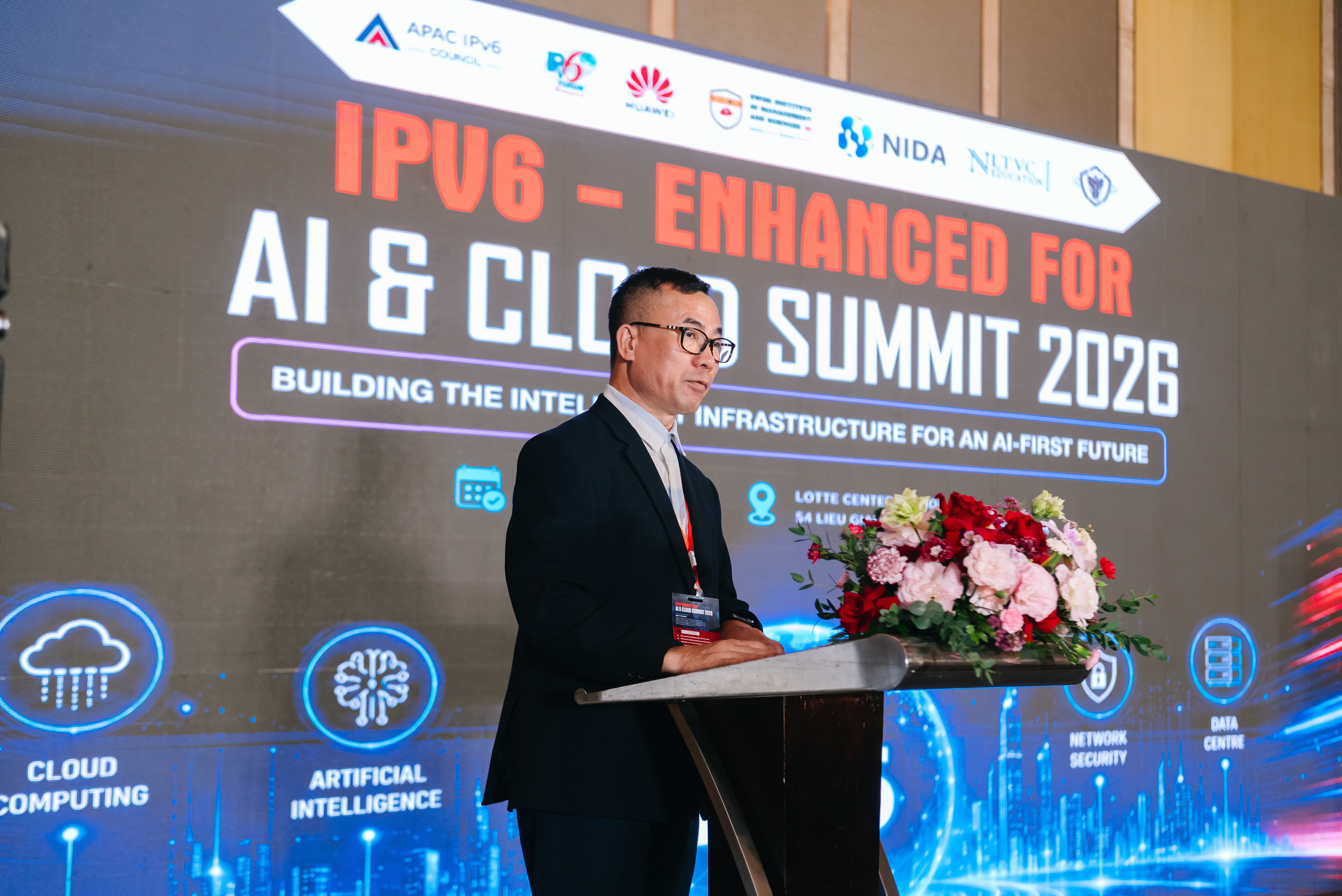
Dr Bui Phuong Viet Anh. Photo: Organising Committee
Opening remarks at the summit. Photo: Organising Committee
From the critical perspective of infrastructure development, Prof. Emeritus Dr Sureswaran Ramadass, Chairman of the APAC IPv6 Council, took the stage to introduce a publication titled “IPv6-First & IPv6 Enhanced National Implementation Strategy for Vietnam.” This comprehensive document aims to provide a robust reference framework for the widespread deployment of IPv6 across multiple vital sectors.
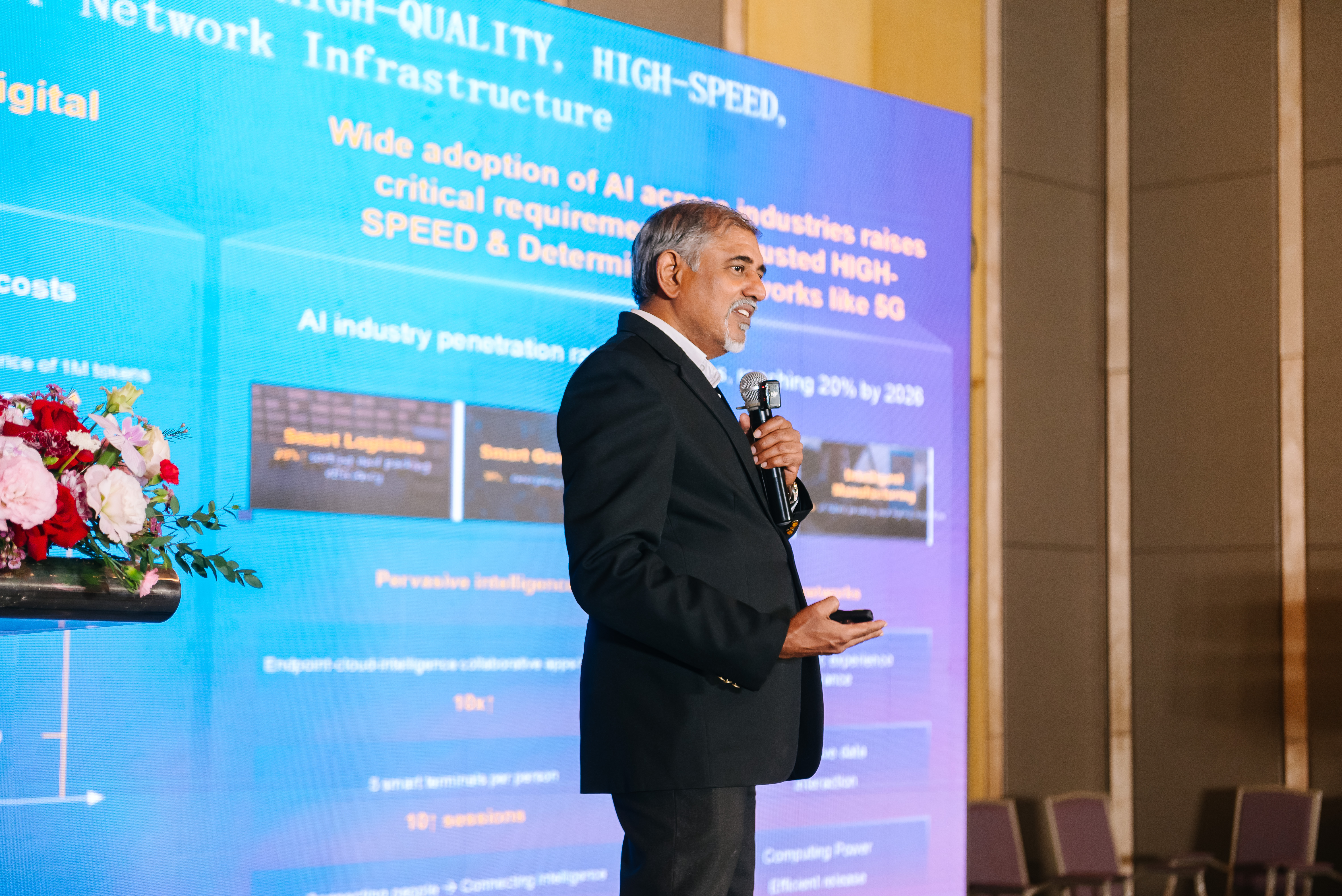
Prof. Sureswaran Ramadass, Chairman of the APAC IPv6 Council. Photo: Organising Committee
The strategy document covers critical areas including telecommunications, e-government, banking and finance, healthcare, education, and critical infrastructure. Beyond technical guidance, it also addresses workforce training and certification, public communication and awareness campaigns, financing models, multi-stakeholder governance structures, and a phased national roadmap for implementation.
The strategy meticulously covers a wide range of areas essential to national growth, including telecommunications, e-government, finance and banking, healthcare, education, and critical infrastructure. Furthermore, it comprehensively addresses human capital and management needs such as workforce training and certification, communications and awareness, financial and cost models, multi-stakeholder governance, and phased implementation roadmaps to ensure a smooth transition.
Vietnam's National IPv6 Implementation Strategy (IPv6-First & IPv6 Enhanced). Photo: Organising Committee
The strategic inclusion of IPv6 within such a broader framework clearly demonstrates a pivotal shift: protocol transition is increasingly linked to the holistic development of overall digital infrastructure. As AI, Cloud, 5G, IoT, and data centres continue to expand simultaneously, modern network infrastructure must also be capable of supporting diverse, high-speed forms of connectivity and increasingly complex data traffic securely and efficiently.
During the highly anticipated afternoon panel discussion, Dr Navaneethan C. Arjuman, Chairman of the IPv6 and 5G Working Group of the Asia-Pacific Advanced Network (APAN) and Global Coordinator of the IPv6 Forum Academy, joined forces with other esteemed experts. Together, they explored and debated the varied opportunities and inherent challenges associated with IPv6 deployment across different countries and regulatory landscapes.
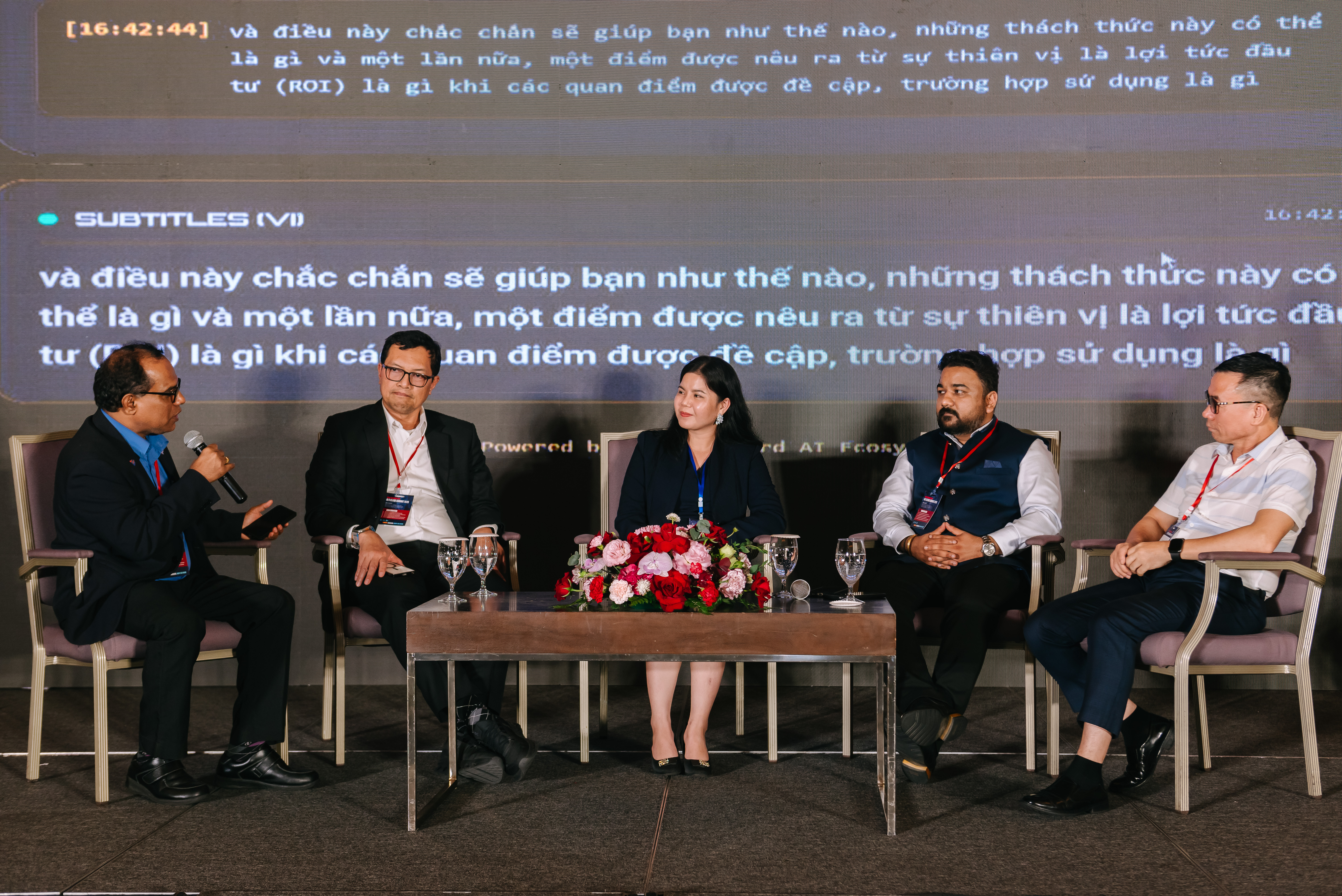
Panel discussion at the summit. Photo: Organising Committee
Through the insightful discussions and in-depth presentations, the conference successfully positioned IPv6 within a much broader context. It is not merely a solution to the challenge of network addressing exhaustion, but rather part of the very foundation for connectivity capable of supporting the sustainable development of AI, Cloud ecosystems, massive data centres, and innovative digital services.
This transition is an urgent issue that needs to be taken into serious consideration as global digital infrastructure enters a new phase of development, with the scale of connectivity and demand for data processing continuing to grow at an unprecedented rate.
As co-host of this summit, SIMS reaffirms its commitment to bridging academic expertise with real-world technology and policy development across the Asia-Pacific region. Through this collaboration with the APAC IPv6 Council and TechVanguard Ltd., SIMS continues to support the exchange of knowledge between researchers, industry leaders, and policymakers shaping the region's digital future.
SIMS thanks the APAC IPv6 Council, TechVanguard, and all speakers and partners who made this summit possible.